

Maple Hardwood
Maple Hardwood

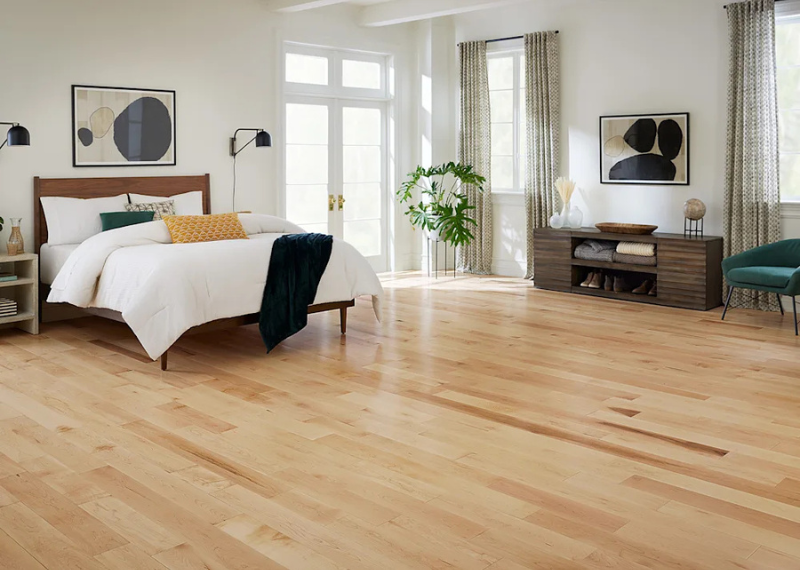
Maple hardwood is a premium, durable wood renowned for its exceptional strength, smooth fine grain, and light natural color ranging from creamy white to light golden hues. As one of the hardest domestic hardwoods, it excels in high-traffic applications like flooring (including gymnasiums), cabinetry, and furniture due to its resistance to dents and scratches. Its uniform texture provides a sleek, modern finish that works well in both contemporary and traditional designs. While it can be stained, its density may make the process challenging, often making clear finishes a preferred choice to highlight its natural beauty. Maple is also valued for its affordability, sustainability, hypoallergenic properties, food-safe qualities, and versatile use in everything from musical instruments to kitchen cutting boards.


Advantages of Maple Hardwood

1. Durability and Hardness
Hard maple is exceptionally strong, dense, and resilient, making it suitable for high-traffic areas and heavy-use items like floors, cabinets, and countertops.
Its hardness helps prevent dents, scratches, and other types of wear, which is why it’s frequently chosen for basketball courts and gym floors.
2. Smooth, Fine Grain
The fine, uniform grain of maple creates a sleek, modern look with a consistent appearance, which appeals to those seeking a clean aesthetic.
This grain pattern also makes it easy to achieve a smooth finish, ideal for projects that require a polished, professional look.
3. Light, Versatile Color
Maple’s natural color is a creamy white to light golden shade, making it adaptable to various design styles, from rustic to contemporary.
The wood can be stained if desired, although its density can make staining more challenging. Clear finishes can highlight its natural beauty.
4. Affordability
Maple hardwood is often more affordable than other high-end hardwoods like cherry or walnut, offering a cost-effective option for quality wood projects.
This makes it popular for larger-scale applications, such as entire floors or extensive cabinetry, without significantly impacting the budget.
5. Sustainability
Maple trees grow relatively quickly compared to some other hardwood species, making it a more sustainable option in many regions.
Responsibly sourced maple can be a more eco-friendly choice for those interested in sustainability.
6. Hypoallergenic Qualities
Maple has a closed grain that minimizes dust and allergens from settling in its surface, which is a big plus for indoor air quality.
Its smooth surface is easier to clean, making it a good choice for homes where allergy control is a concern.
7. Versatile Applications
Maple can be used for furniture, flooring, cabinetry, musical instruments, butcher blocks, and more. Its versatility allows it to complement various architectural and design styles.
Because it takes finishes well, it can also be customized to fit specific aesthetics, whether natural, stained, or painted.
8. Food-Safe for Kitchen Use
Maple is popular for butcher blocks and cutting boards because it’s hard, durable, and naturally food-safe, unlike some woods that may release toxins or odors.
Its durability means it withstands the knife marks and wear typically seen in kitchen environments.

call icon
whatsapp icon
whatsapp icon