

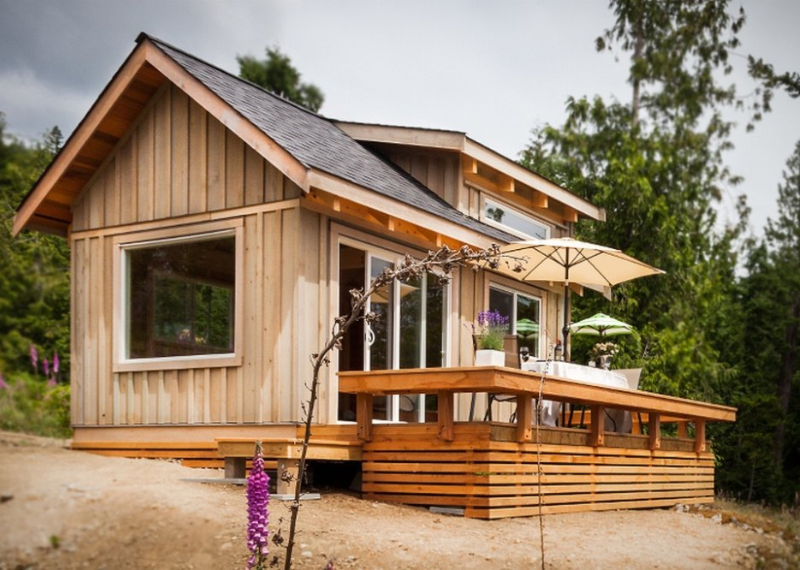
German Pine
German Pine

German Pine is a versatile and widely used softwood known for its distinct light yellowish to reddish-brown heartwood and rustic charm. It offers moderate durability indoors and, when thermally treated, becomes highly resistant to rot, decay, and pests, making it suitable for exterior applications. This cost-effective and eco-friendly timber is easy to work with, takes finishes well, and is commonly used in construction, cladding, furniture, flooring, decking, and outdoor structures.


Key Features of German Pine

Appearance:
Light yellowish to reddish-brown heartwood with a distinct grain.
Knots are common, adding a natural, rustic charm.
Ages beautifully, especially when treated or left to weather naturally.

Durability:
Moderate durability in untreated form, suitable for indoor applications.
When thermally modified, German Pine gains resistance to rot, decay, and pests, making it suitable for exterior use.

Workability:
Easy to cut, shape, and machine.
Takes finishes, stains, and paints well.

Sustainability:
German Pine is a sustainable wood choice, often harvested from responsibly managed forests.

Applications of German Pine

Construction:
Beams, framing, and structural elements in residential and commercial buildings.
Cladding:
Popular for exterior and interior wall cladding, especially when thermally treated.
Furniture:
Ideal for rustic or country-style furniture, thanks to its natural grain and knots.
Flooring:
Used in interiors for a warm, traditional look.
Decking and Outdoor Use:
Suitable for decks, fences, and garden furniture when treated for outdoor durability.

Advantages of German Pine

Cost-Effective: More affordable than many hardwoods.
Versatile: Suitable for a wide range of applications.
Eco-Friendly: A renewable resource with good availability.
Aesthetic Appeal: Offers a warm, natural look that fits both modern and rustic designs.

call icon
whatsapp icon
whatsapp icon